
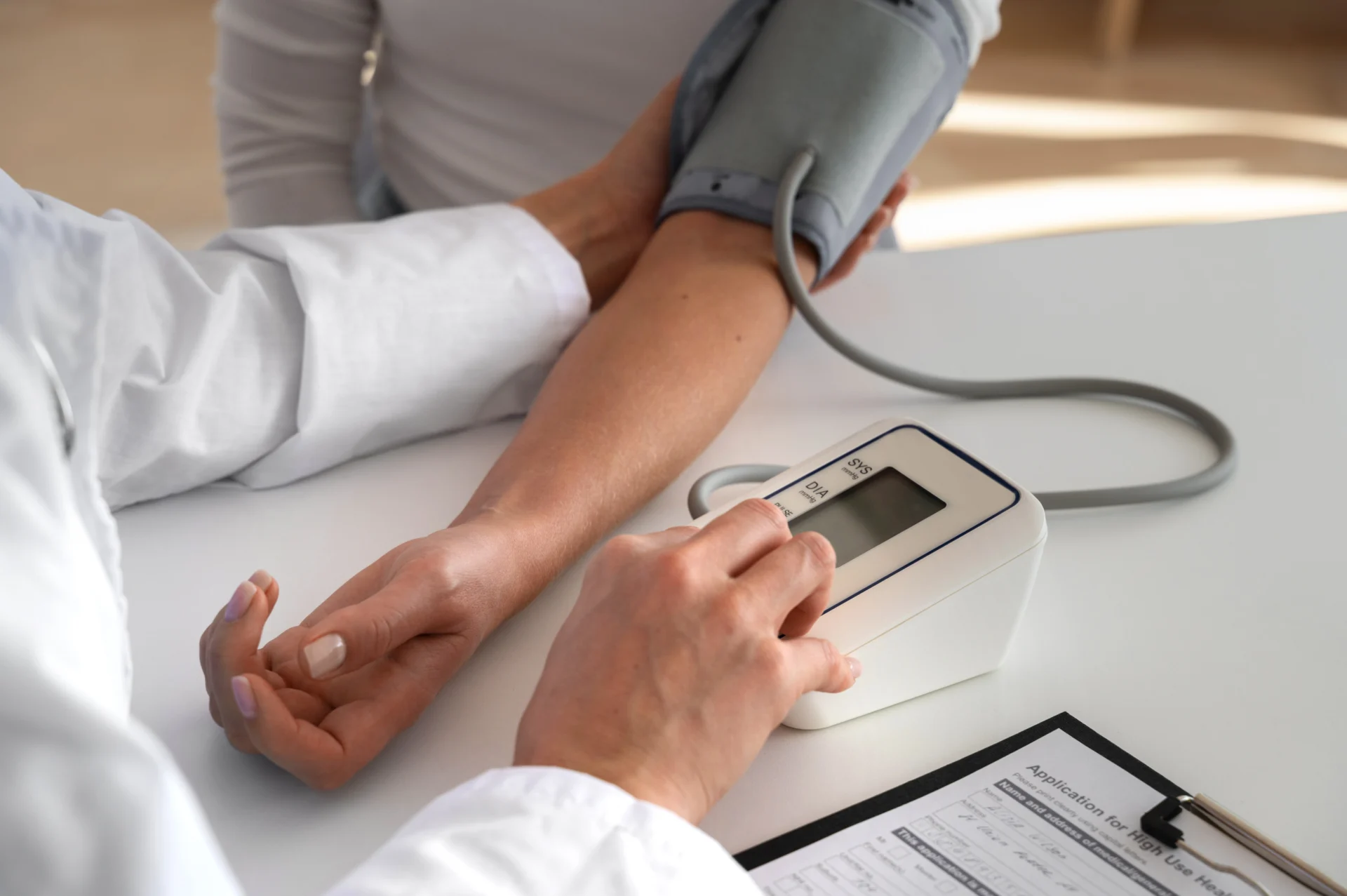
The American Heart Association and American College of Cardiology have officially released their first major update to the high blood pressure guidelines since 2017, and a few of the changes are already changing the way providers talk about everyday habits—especially alcohol use and early intervention. If you’ve been hearing bits and pieces about the new blood pressure guidelines and aren’t sure how they apply to your life, you’re not alone. The updates are practical, easy to understand, and surprisingly relevant to day-to-day routines.
One of the biggest shifts involves alcohol. The latest research shows a much stronger link between alcohol use and rising blood pressure than we previously understood, and the new recommendations reflect that. For many people, cutting back—or not drinking at all—has a measurable impact on their numbers, their heart, and even their long-term brain health.
At Prestige Health & Wellness, we meet many of patients working through stress, sleep issues, sedentary workdays, and chronic aches—all of which influence overall cardiovascular health. We don’t diagnose or treat hypertension, but we do help people build healthier movement patterns, reduce tension, and create lifestyle habits that complement the plan their medical provider sets in place.
So, let’s walk through what changed, why these updates matter, and what you can do right now to support your heart, your energy, and your long-term well-being.
1. Lower alcohol consumption is now strongly recommended
This is one of the most significant updates in the new guidelines for blood pressure.
The 2026 guidance explains that the safest approach is to minimize or eliminate alcohol consumption. The research to match also shows
- Blood pressure rises in direct correlation with alcohol intake.
- People who avoid alcohol have the lowest risk of hypertension.
- Cutting alcohol intake by 50% significantly improves blood pressure readings.
Under the new blood pressure guidelines, alcohol recommendations:
- Men should limit intake to no more than two drinks per day
- Women should limit intake to no more than one drink per day
- Abstaining entirely provides the greatest cardiovascular benefit
This change reflects a growing body of evidence linking alcohol to increased systolic and diastolic pressure over time. For many people, simply cutting back on alcohol is enough to bring their numbers out of the “elevated” range or stop them from progressing into hypertension altogether.
2. Treatment now starts earlier—even at 130
Timing is one of the other big shifts in the new blood pressure guidelines. In the past, most people didn’t hear the word “treatment” until their top number (systolic) hit 140 mmHg or higher. Now, if your readings are regularly in the 130–139 range, your provider is encouraged to step in sooner with lifestyle changes and, if needed, medication.
The reason is obvious: the data shows that bringing numbers down earlier can lower your risk of stroke, heart attack, AFib, kidney disease, type 2 diabetes, and even dementia over the long term. In practice, that means “a little high” isn’t something to brush off anymore. It’s a nudge to check your blood pressure regularly and start making changes. Including cutting back on alcohol, improving sleep, managing stress, and moving your body more, before those numbers climb further.
3. There are new blood pressure categories for pregnancy
Hypertension during pregnancy is serious, and the 2026 guidelines establish clearer diagnostic thresholds.
New pregnancy blood pressure categories:
- Non-hypertensive: less than 140/90
- Hypertension in pregnancy: 140+/90+
- Severe hypertension: 160+/110+
Preeclampsia and pregnancy-related hypertension can appear suddenly, which is why monitoring blood pressure before, during, and after pregnancy is seriously important. The updated guidance encourages more frequent checks and earlier conversations with healthcare providers.
4. Lifestyle changes matter more than ever (especially diet, movement, and stress reduction)
The foundation of the 2026 recommendations is simple: your daily habits have a direct impact on your cardiovascular future.
The main lifestyle points include:
Sodium intake
- Aim for 2,300 mg/day or less, ideally 1,500 mg/day
- Most sodium comes from processed foods — not the salt shaker
Heart-healthy eating (DASH diet)
Emphasize:
- Vegetables
- Fruits
- Whole grains
- Legumes, nuts, seeds
- Lean proteins
- Low-fat dairy
Alcohol
As emphasized earlier, the new blood pressure guidelines and alcohol recommendations are stricter than ever: drink less or not at all.
Physical activity
- 75–150 minutes of weekly movement, including cardio and strength training
Weight management
- Losing even 5% of body weight can lower blood pressure
- Example: If you weigh 180 lbs, losing just 9 lbs can make a measurable difference
Stress reduction
The guidelines note that stress is a significant contributor to elevated blood pressure and overall cardiometabolic risk.
At Prestige Health & Wellness, many of our services help support stress reduction and physical well-being, including:
- Chiropractic care for tension and neck stiffness
- Physical therapy for pain that limits activity
- Acupuncture to support relaxation
- Mobility works to improve circulation and posture.
We don’t treat hypertension, but we do help patients build the lifestyle foundation that supports cardiovascular health.
5. Blood pressure plays a larger role in long-term health than many people realize
One message the updated guidelines make crystal clear is that blood pressure affects far more than just your heart. Elevated numbers are now strongly tied to a wide range of long-term health issues, including:
- Cognitive decline
- Dementia
- Metabolic changes
- Kidney problems
- Sleep disruptions
- Stroke
- Higher overall mortality risk
Nearly half of U.S. adults have elevated or high blood pressure, and most don’t have symptoms. The 2026 guidance stresses that everyone, regardless of age, should check their blood pressure regularly.
The updated categories remain the same:
| Category | Systolic (mmHg) | Diastolic (mmHg) |
| Normal | <120 | <80 |
| Elevated | 120–129 | <80 |
| Stage 1 Hypertension | 130–139 | 80–89 |
| Stage 2 Hypertension | 140+ | 90+ |
| Severe Hypertension | >180 | >120 |
Routine monitoring at home, in pharmacies, or at medical visits is now strongly encouraged—especially for people with a family history, stress-heavy lifestyles, or inconsistent sleep.
How Prestige Health & Wellness can support your heart-healthy routine
While medical providers diagnose and treat hypertension, our team supports the lifestyle pillars that the new blood pressure guidelines emphasize: movement, stress management, and overall well-being.
Our services can help you:
- Reduce muscle tension that contributes to stress
- Improve mobility to make daily activity easier
- Support relaxation and recovery
- Build sustainable, heart-friendly habits
- Encourage better posture and circulation
- Decrease pain that prevents regular exercise
No matter if it’s chiropractic care to reduce tension, physical therapy to help you move more comfortably, or acupuncture to support relaxation, each service can play a part in your broader wellness routine—especially when you’re working to lower blood pressure through lifestyle changes.
Small steps today protect your future
The new blood pressure guidelines recommendations and the broader 2026 updates make one message very clear: early action prevents long-term disease. Cutting back on alcohol, improving diet, staying active, and reducing stress are powerful tools, especially because they are accessible to anyone.
If you’re trying to lower your numbers, maintain healthy readings, or simply feel better day to day, these guidelines give you a clear roadmap.
And if you need support on the physical side of wellness, our team at Prestige Health & Wellness is here to help you move easier and build habits that support lifelong heart and brain health.