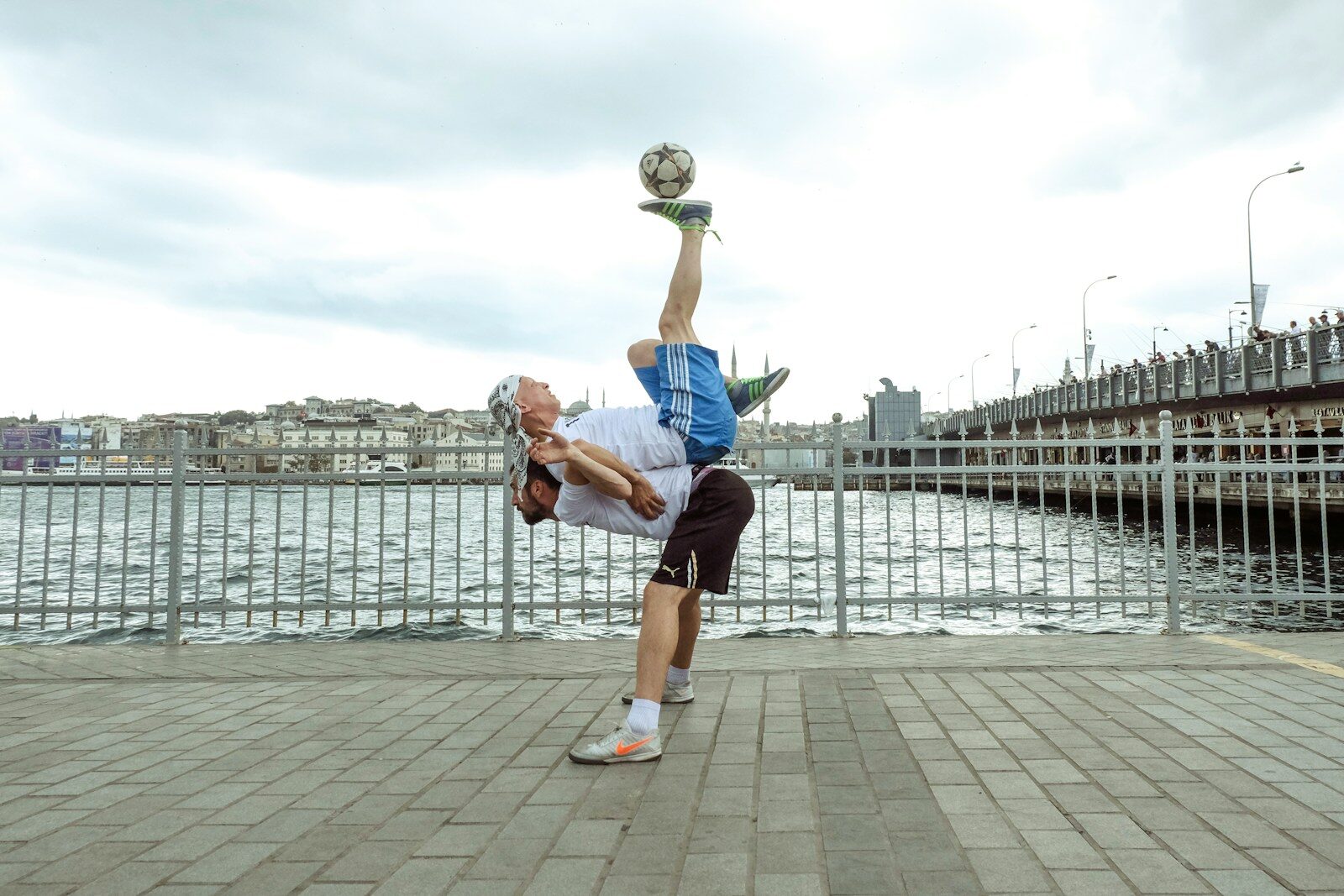
In 2026, the New York area will be part of one of the biggest sports moments in the world, with the World Cup final scheduled for MetLife Stadium in East Rutherford on July 19. For soccer fans, that means crowds, walking, standing, commuting, watch parties, pickup games, and a city that already moves fast getting even busier.
But for many New Yorkers, the real physical challenge is not one match day. It is the daily rhythm around it: sitting at a desk for hours, commuting, carrying bags, squeezing in a workout after work, and standing for long stretches. When the city gets more exciting and more demanding, your body is expected to keep up.
That is where a lot of people get into trouble. The body adapts well over time, but it does not always respond well when it is asked to go from stillness to intensity without enough preparation or recovery.

The real issue is desk life plus sudden activity
One thing we see often in New York is not just one dramatic injury. It is the accumulation of small stresses.
A patient may spend most of the day sitting with the head drifting forward toward a laptop, shoulders rounding, hips flexed, low back stiff, and glutes underactive. Then they leave the office and go straight to the gym, a run, a soccer game, or a long night out on their feet. The body is being asked to move well from a position it has been holding all day.
That does not mean movement is bad. Movement is usually part of the solution. But the way you enter movement matters. If your neck, shoulders, back, hips, or feet are already irritated, stiff, or poorly supported, more activity can expose the pattern.
This is why “I just worked out and now my back hurts” is often not only about the workout. It may be about what your body was doing for the ten hours before it.
Posture is not about being perfect
Posture gets talked about like there is one perfect position everyone should hold. That is not how real life works, especially in New York.
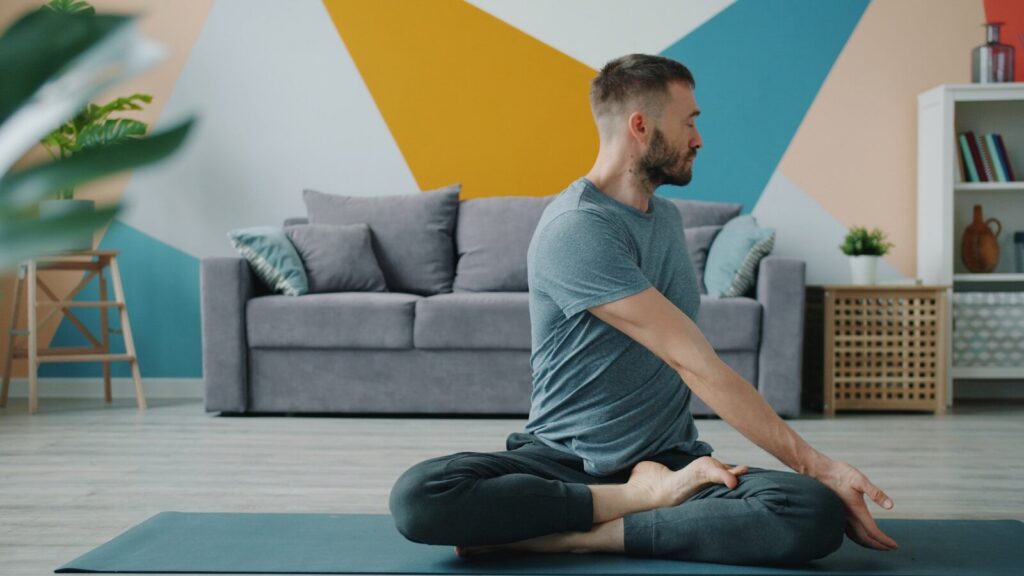
The goal is not to sit perfectly all day. The goal is to have options. You should be able to sit, stand, walk, climb stairs, train, commute, and recover without your body feeling locked into one pattern.
When someone is stuck in the same position for too long, the body can lose some of that adaptability. The neck and shoulders may take more load. The low back may tighten. The hips may feel restricted. The feet and knees may compensate. Over time, those small changes can affect workouts, long walks, or normal daily activity.
Small changes can help: changing positions during the day, taking movement breaks, setting up the workstation more thoughtfully, warming up before training, and not waiting until the end of the day to “undo” hours of tension.
More walking and standing still count as load
New Yorkers sometimes underestimate how much physical demand is built into normal city life. Walking to the train, standing on a platform, climbing subway stairs, carrying a work bag, and spending a full day in dress shoes or less supportive footwear all add up.
During a busier season around major events, that load can increase. You may be walking farther, standing longer, socializing more, sleeping less, or fitting workouts into a tighter schedule. The first signs may be subtle: recurring stiffness, morning low back tightness, neck tension after work, a hip that feels off during runs, or soreness that lingers.
Those signs do not automatically mean something serious is happening. But they are worth paying attention to, especially if they start changing how you move, sleep, train, or get through the day.

Smart care starts with understanding the pattern
A good evaluation should not be a guessing game. It should start with a conversation: when did the issue begin, what does it feel like, what makes it better or worse, what do you think may have contributed to it, and what are you trying to get back to?
Patients know their bodies. That matters. At the same time, pain can be misleading. Neck pain may involve the shoulder. Shoulder pain may be referred from the neck. Low back symptoms may involve the hips, core, feet, or how someone is moving throughout the day.
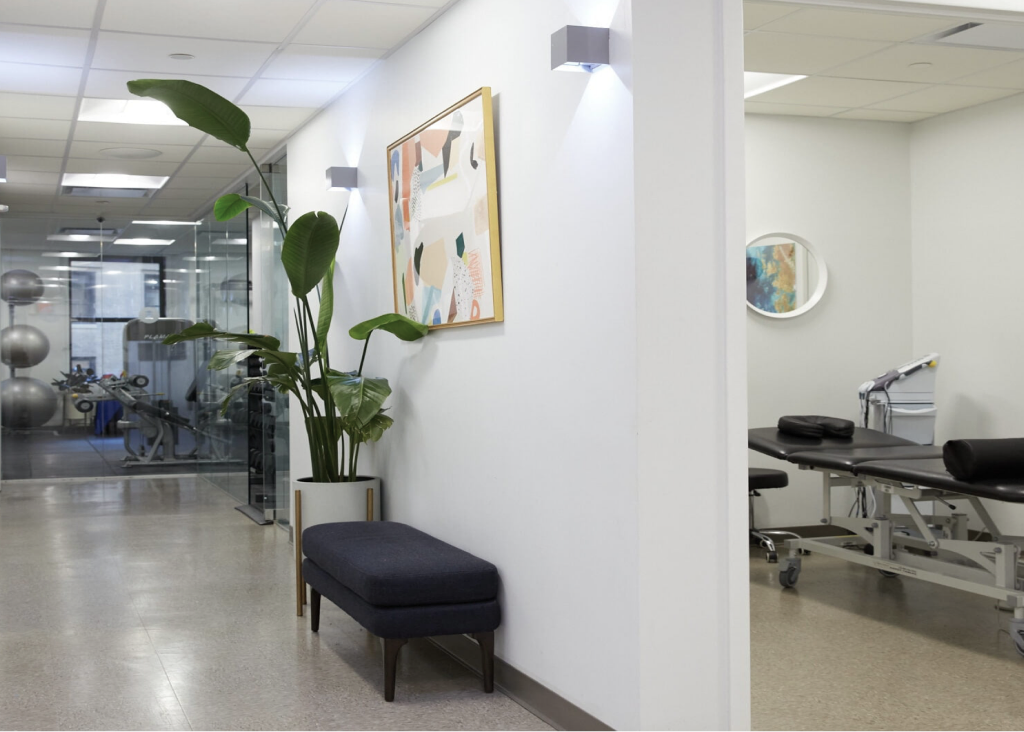
At Prestige Health & Wellness, patients have access to chiropractic care, physical therapy, occupational therapy, acupuncture, and recovery under one roof. Not every patient needs every service. Sometimes one type of care is appropriate. Sometimes a combination may better support the patient’s goals.
The point is not to force a preset plan. The point is to understand what is actually contributing to the problem and guide the person toward the right next step.
Recovery is part of performance
The World Cup season will bring attention to elite athletes, but performance is not only for professionals. For a New Yorker, performance may mean getting through a full workday without neck tension, playing soccer on the weekend, making it to the gym consistently, or simply feeling like your body can keep up.
Recovery is part of that. So is patient education. Progress is usually a process, not a one-visit miracle. The goal is to reduce irritation where possible, improve mobility and control, and help the patient understand how to keep the issue from becoming a repeating cycle.
If you are dealing with persistent pain, stiffness, reduced mobility, or recurring symptoms as the city gets busier, it may be worth being evaluated rather than pushing through and hoping it disappears. An assessment can help determine what may be contributing to the issue and which care options may be appropriate.
Enjoy the energy. Enjoy the soccer. Enjoy moving more. Just make sure your body has a plan for the season you are asking it to handle.
If pain, stiffness, or mobility issues keep coming back, do not wait for them to become part of your routine. Book an assessment with Prestige Health & Wellness to better understand what may be contributing to the issue and which care options may be right for you.