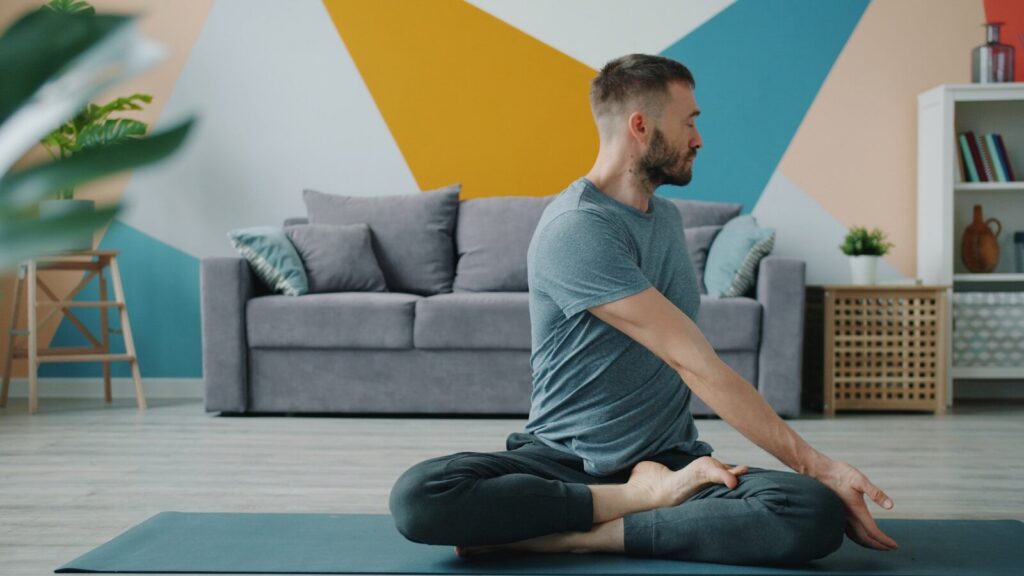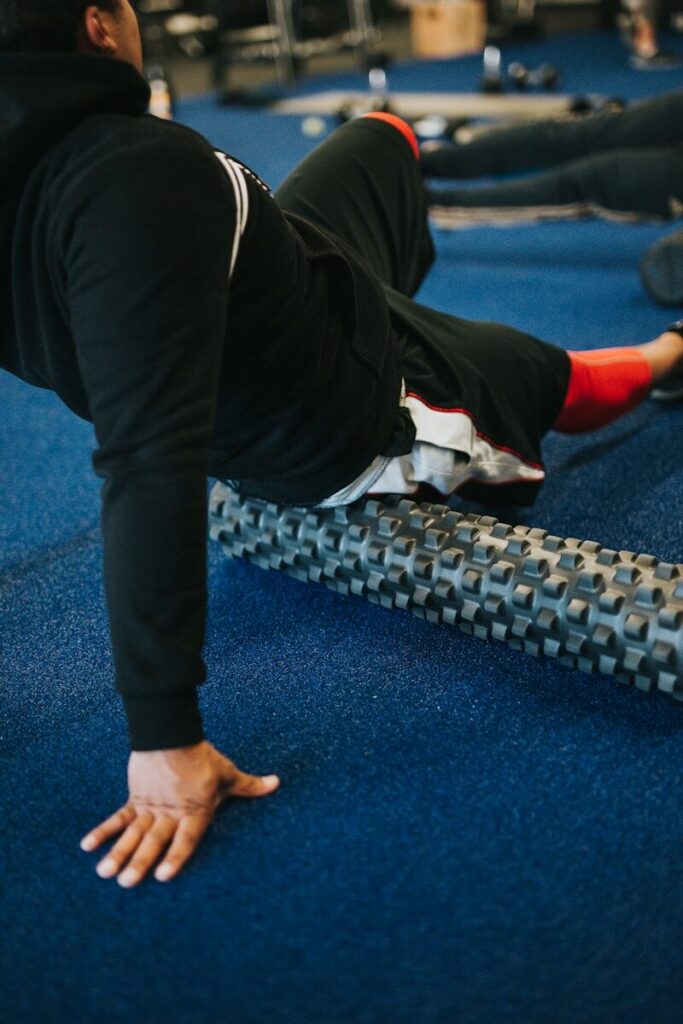

Tight hip flexors or psoas irritation may contribute to low back discomfort for some patients, especially after long sitting. They are not automatically the cause. Low back pain usually deserves a broader look at hip mobility, lumbar motion, strength, workload, posture habits, and how symptoms respond to movement.
That distinction matters. If you assume the psoas is the problem, you may spend weeks stretching or releasing one area while missing the reason the pain keeps returning. If symptoms are mild and improving, gentle movement may be reasonable. If pain recurs, radiates, worsens, or starts changing how you work, sleep, train, or move through the day, an assessment can help clarify what is contributing.
Why the psoas gets blamed for back pain
The psoas is one of the major hip flexor muscles. It helps bring the hip forward and has a close relationship with the pelvis and lower spine. Because of that anatomy, it can matter in some cases of lower back pain.
For many Manhattan patients, the pattern is familiar: hours at a desk, a commute, then a workout, class, lift, run, or evening routine with little time for the body to reset. After sitting for a long stretch, the hip flexors may feel tight, the glutes and hamstrings may not feel ready to work, and the lower back may take on more load than it likes.
In NYC, low back pain often shows up after an accumulation of small loads rather than one dramatic injury. A long train ride, a full desk day, stairs, errands, a rushed gym session, and poor sleep can all influence how the hips, pelvis, and lower back feel by the end of the day.
Still, low back pain is rarely explained by one muscle. Hip flexor tightness may be one piece of the picture. So may limited hip motion, lumbar stiffness, reduced strength or endurance, repeated sitting load, recovery, training volume, or nerve-related signs. The practical question is not “is my psoas tight?” It is whether your symptoms, movement, and exam findings point toward hip flexor involvement or something else.

What the JCM study suggests
A 2025 Journal of Chiropractic Medicine randomized clinical trial looked at adults with nonspecific chronic low back pain. Participants were assigned to physiotherapy alone or physiotherapy plus psoas muscle myofascial release. The study measured pain and disability before and after care.
Both groups improved. The authors reported that adding psoas myofascial release was associated with a larger improvement in disability scores, but the study did not find a significant between-group pain reduction effect for psoas release plus physiotherapy compared with physiotherapy alone.
That is a useful but narrow finding. It suggests the psoas may be relevant for function in some people with chronic nonspecific low back pain. It does not prove that every case of back pain needs psoas release, that the psoas is the primary driver, or that one technique replaces a full assessment.
Why release alone may not be enough
Psoas release, stretching, or hip flexor work can feel helpful for some people. It may reduce a sense of tightness or make movement feel easier for a while. But if the same pain keeps coming back after sitting, training, commuting, or sleeping, the body may be asking for a broader plan.
If the hip flexors feel tight because the body is protecting, compensating, or reacting to repeated load, stretching harder may not solve the reason that tension is there.
Self-care is most reasonable when symptoms are familiar, mild, and improving. Gentle movement breaks, easy walking, and avoiding long static positions may help some patients. What to avoid is forcing aggressive stretches, digging into sensitive areas, or repeatedly chasing relief when symptoms are changing.
If a technique increases pain, causes new symptoms, or does not match what you are feeling, stop and ask a qualified provider. Online research and self-care tools can lead to better questions, but they cannot confirm what is happening in your body.
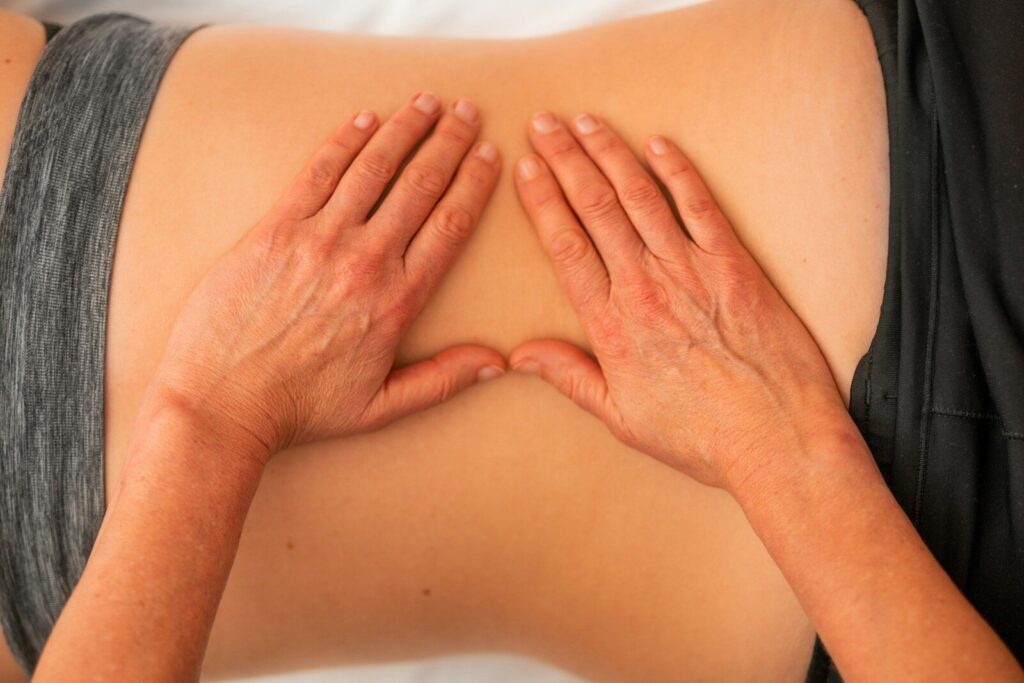
When to get assessed
Seek urgent medical care if low back pain follows trauma, is severe or worsening, or comes with weakness, numbness, tingling, radiating pain, fever, unexplained weight loss, loss of coordination, or bowel or bladder changes.
For non-urgent symptoms, it may still be time to get assessed if pain keeps returning, limits work or sleep, changes your workouts, makes walking or stairs harder, or keeps pushing you toward the same stretch without lasting progress. Recurring pain does not mean something serious is happening, but it does mean guessing becomes less useful.
What a PHW assessment may look at
At PHW, the goal is to connect what you feel with what a provider finds clinically. You do not need to know whether the right next step is chiropractic care, physical therapy, posture work, or another referral before being evaluated.
A provider may look at hip flexor mobility, lower back range of motion, pelvic and lumbar movement, strength, gait, movement patterns, nerve-related signs, and how symptoms respond to rest or activity. For desk workers, a posture assessment may also look at sitting habits, workstation setup, and how the workday affects the body.
Under one roof does not mean every patient needs every service. It means the care path can be easier to clarify when providers can communicate. For some patients, the next step may be hands-on care. For others, it may be progressive strengthening, mobility work, referral, or a different kind of evaluation. The point is to match the recommendation to the patient, not force every low back complaint into one explanation.
A practical next step
If tight hip flexors feel like part of your low back pain, you do not have to ignore that. But you also do not have to diagnose the psoas as the problem before asking for help.
If symptoms are mild and improving, gentle self-care may be enough for now. If pain keeps returning, radiates, worsens, or interferes with work, sleep, workouts, commuting, stairs, or daily movement, booking an assessment at Prestige Health and Wellness can help clarify what is driving the pattern and what kind of care makes sense.